

Color drenching—the practice of painting walls, trim, doors, and sometimes even ceilings in a single, continuous hue—has completely transformed how interior designers approach modern spaces. By erasing sharp contrast lines, a unified color wrapper tricks the eye, making compact rooms feel cozier and expansive rooms feel intentionally architectural. Yet, wrapping an entire space in deep charcoal, rich olive, or saturated terracotta can feel intimidating. If you love the cocooning elegance of monochromatic styling but worry about turning your home into a dark box or overwhelming your senses, the secret lies in strategic application. Mastering this trend is less about going all-in recklessly and more about balancing tone, finish, and light so the space feels breathable, layered, and sophisticated.
1. Start Small With a Powder Room or Den

If you want to test-drive the color drenching trend without committing to a high-visibility family room or primary bedroom, a small, self-contained space like a powder room, home office, or reading den is the ideal canvas. Because these rooms are transitional or utilitarian, they naturally lend themselves to a moody, immersive atmosphere. Choose a mid-to-dark tone—such as a muted heritage green or a deep, dusty blue—and coat the walls, baseboards, door, and ceiling uniformly. The lack of visual interruption visually expands tight square footage by blurring the room’s boundaries, creating a jewel-box effect that feels intentional rather than overwhelming.
2. Opt for Soft, Desaturated Neutral Tones
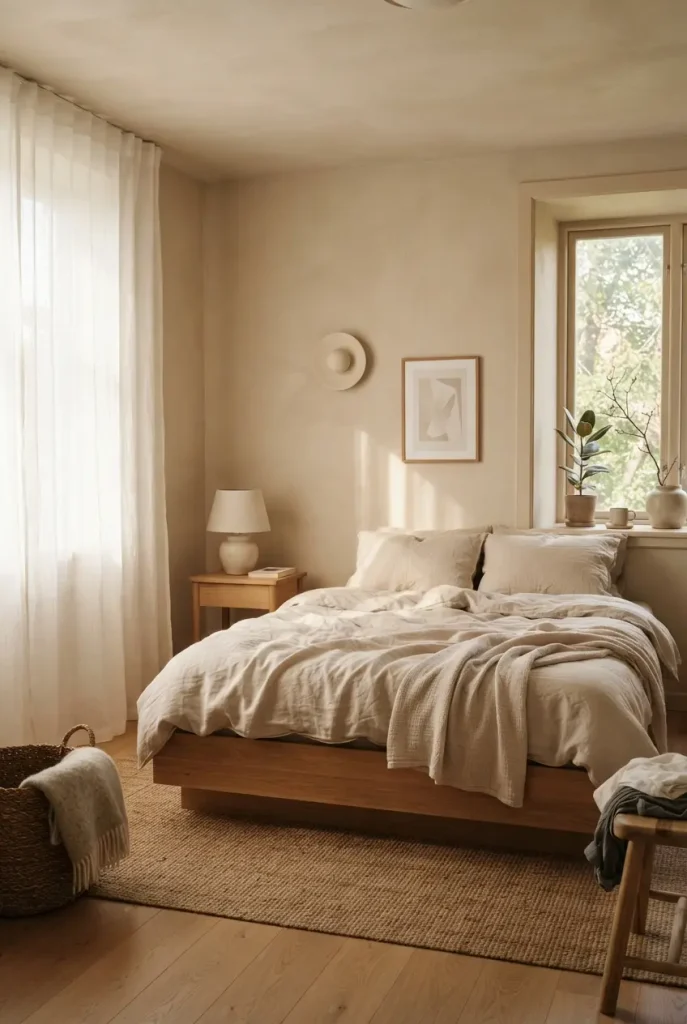
Color drenching does not require neon brights or hyper-saturated darks; one of the easiest ways to embrace the trend safely is through warm, desaturated neutrals. Monochromatic beige, soft greige, creamy warm white, or pale stone gray offer the illusion-breaking benefits of color drenching while keeping the overall environment bright, airy, and familiar. By painting the trim and ceiling the exact same chalky plaster hue as the walls, you eliminate the stark contrast of bright white baseboards, resulting in a serene, high-end architectural continuity that feels exceptionally calm.
3. Play With Subtle Finish Variations

One common pitfall that makes color drenching look heavy-handed is using a flat, light-absorbing paint on every single surface, which can sometimes make a room feel flat or cavernous. A master trick used by professional designers is shifting paint sheens while keeping the color pigment identical. Use an ultra-matte or flat finish on the walls to create a velvety, light-absorbing depth, a satin or eggshell finish on the trim and doors for durability and a slight soft sheen, and a traditional flat ceiling paint. This tiny variance in reflection adds dimension, keeping the monochromatic look rich and layered rather than flat.
4. Anchor the Room With Contrasting Natural Textures

When an entire room is wrapped in a single pigment, it needs tactile variety to prevent it from feeling monotonous or clinical. Break up the expanses of color by introducing organic, raw textures through your furnishings and decor. Incorporate natural jute or wool rugs, unfinishing light oak or walnut wood tones, woven rattan baskets, stone tabletops, and heavy textured boucle or linen upholstery. These organic elements absorb and reflect light differently than painted drywall, adding necessary warmth and grounding the monochromatic envelope.
5. Leave the Ceiling White or Tonal for Balance

If fully wrapping a room overhead feels like a step too far for your comfort zone, modify the trend by treating the ceiling as a deliberate transition zone. You can either keep the ceiling crisp white to maintain maximum vertical reflection and bounce light around the room, or paint it a diluted, 50-percent lighter shade of your wall color. This “half-drench” or tonal ceiling approach gives you the cohesive, wrapped illusion of the trend on the walls and trim while ensuring the room still feels open and high overhead.
6. Create Visual Breakpoints With Artwork and Mirrors

Monochromatic walls act as a continuous backdrop, which means anything you hang on them will immediately pop as a focal point. To keep a color-drenched room from feeling overly heavy or claustrophobic, use large mirrors, light-framed canvas art, or open shelving to break up large expanses of paint. A large arched mirror reflects light and fragments the solid color block, while open wooden shelves displaying ceramics introduce natural breathing room and secondary color accents without breaking the envelope’s harmony.
7. Lean Into Warm, Layered Lighting

Color-drenched spaces—especially those utilizing rich or moody color palettes—interact heavily with artificial light. A single overhead ceiling fixture will cast harsh shadows and make dark color drenching feel cave-like. To master the trend gracefully, abandon overhead lighting in favor of a layered lighting scheme. Combine wall sconces, low-level table lamps, floor lamps, and picture lights fitted with warm-toned bulbs. This pools soft, ambient light across the monochromatic surfaces, accentuating the color’s depth and creating a welcoming, cozy atmosphere.
8. Frame Views With Contrasting Doors and Hardware

If you are color drenching the walls and baseboards of a main living space but want to avoid a completely monolithic look, consider keeping interior doors or window sashes in a complementary contrasting tone. For instance, if your walls and trim are drenched in a soft French gray, painting the interior doors a rich charcoal or a crisp natural wood stain adds a sophisticated anchor point. Paired with upgraded hardware in aged brass or matte black, this provides just enough visual friction to keep the space dynamic and interesting.
9. Use Greenery and Botanicals to Soften Saturated Walls
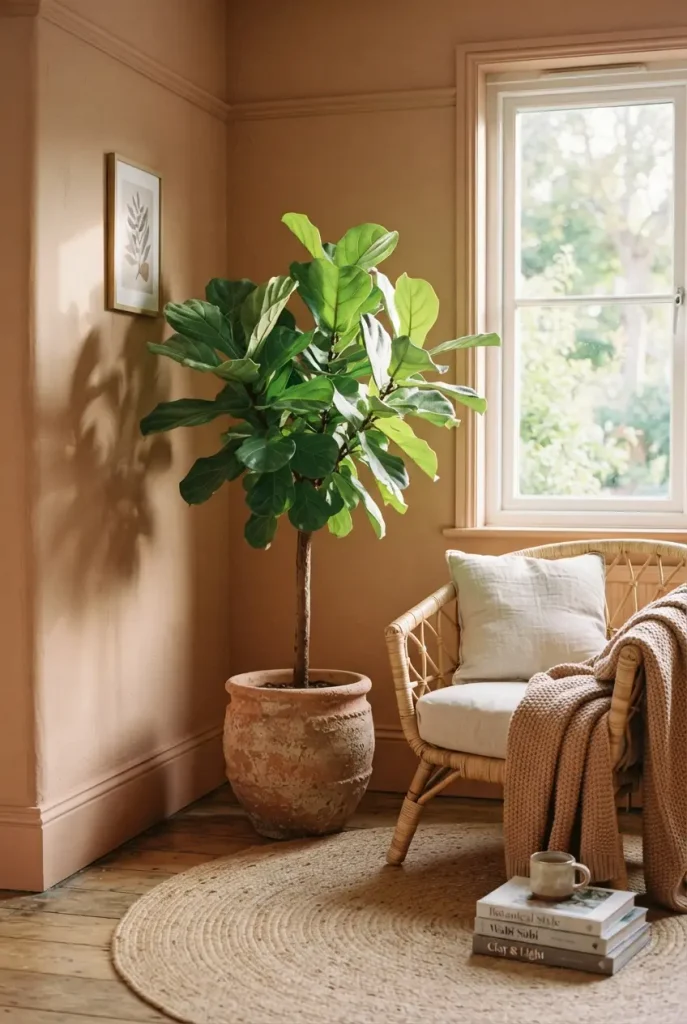
Plants are a color-drenched room’s best friend. Whether your walls are wrapped in deep forest green, moody navy, or soft clay pink, organic foliage introduces natural variation, organic shapes, and contrasting living color that instantly grounds the space. Large potted fiddle leaf figs, cascading pothos on bookshelves, or simple eucalyptus branches in a ceramic vase cut through the uniformity of paint, making the entire room feel alive, breathable, and effortlessly balanced.